Marian Lamoureux of Hinsdale | The Adult Beginner Question She Hears Most
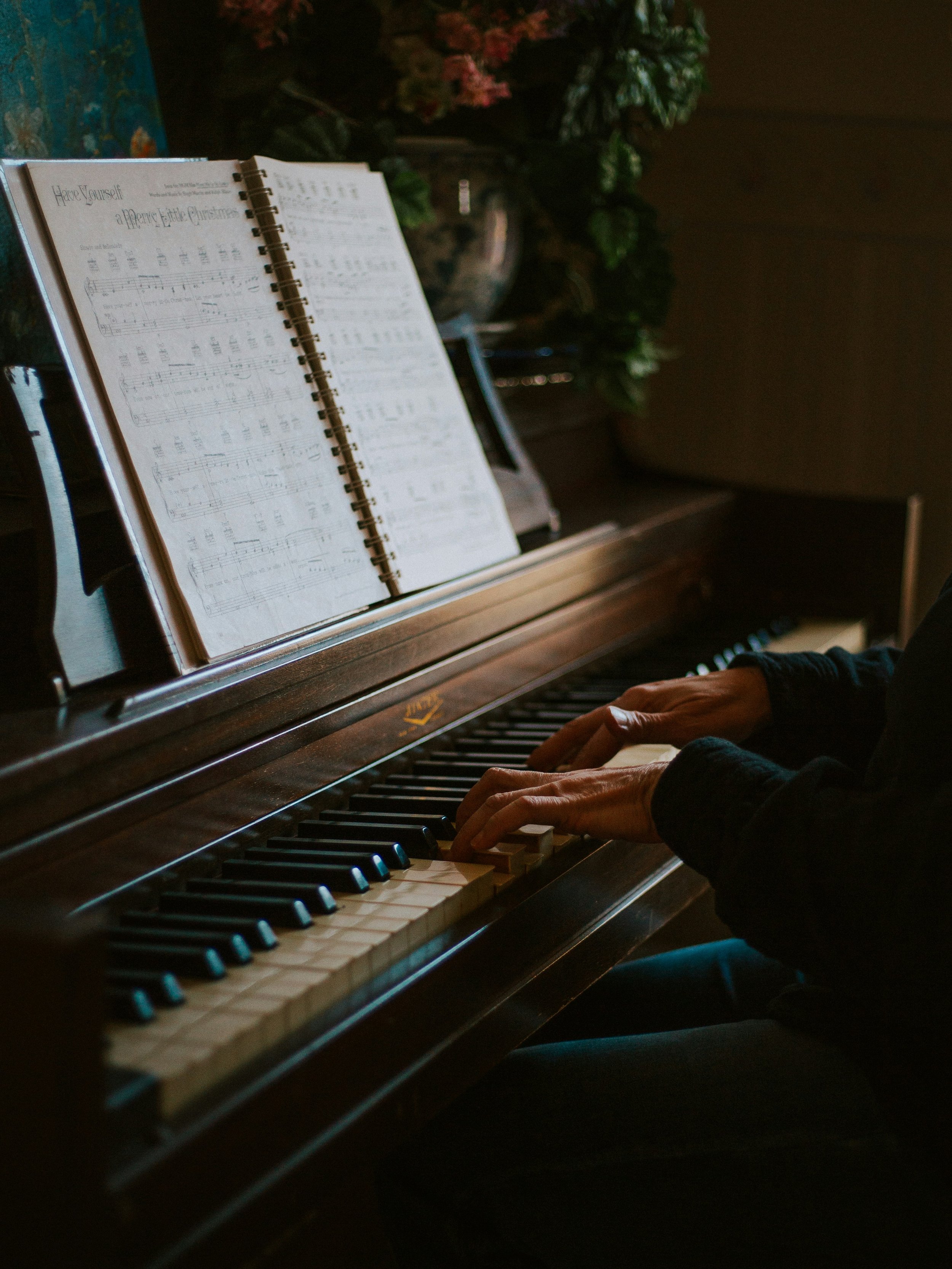
Marian Lamoureux Hinsdale
The adult who books a first piano lesson at forty or fifty almost always asks the same question. Some version of: am I too late.
Marian Lamoureux of Hinsdale hears it on intake calls more than any other question, and her answer is short. No. The honest follow-up is longer.
Adult beginners learn piano differently than children, but they are not at a disadvantage. They have something seven-year-olds do not. They know why they want to play.
Adults do not lack ability, they lack patience with themselves
The biggest obstacle for an adult beginner is not their hands or their ear. It is how they react when they are bad at something.
A child has been bad at most things in their life for at least a year and is used to it. An adult who has built a career has often forgotten what early-stage failure feels like.
Lamoureux has had executives sit at the piano and freeze on a four-bar phrase because they could not stand making the mistake. The fix is rarely technical.
The fix is reframing what the first six months are supposed to feel like, which is awkward, slow, and full of small wins that do not look like much from the outside. The outside view does not matter here. The work happens inside the lesson.
What an adult should expect from the first year
Most adults can read basic notation and play short pieces in both hands within a year. Many can play music that means something to them by month nine.
Almost none of them sound like the people they are trying to imitate, and that is fine. The recordings they love took years of work to produce. The version they can play in twelve months is allowed to be a different version.
Marian builds a year-one curriculum around the music the student listened to growing up or wishes they could play now. A jazz fan who has been dreaming about piano since college gets a path through chord voicings and standards.
Someone who wants to play hymns at a family service gets a different path. The trick is honoring what the student actually wants. The personal investment in the repertoire does most of the heavy lifting.
The conversation that decides whether they stay
Lamoureux has noticed that whether an adult sticks with piano is often decided in the first three lessons. Not in their hands, in their head.
They either give themselves permission to be a beginner, or they quietly decide piano is not for them and stop scheduling. There is rarely a middle path.
She tries to have the permission conversation directly, in lesson one. Slow is the only way through this.
Mistakes are the work, not interruptions to the work. Comparing yourself to the seven-year-old playing a sonatina on a video site is the fastest way to ruin your own progress.
Why adults sometimes overtake the kids
After the first year, something interesting happens. Adults who stay with piano tend to advance faster than children at the same point.
They understand structure, harmony, and form in a way younger students do not yet have the framework for. They can talk through a piece intellectually before sitting down to play it.
Marian has seen students start at fifty and pass Royal Conservatory of Music examinations in repertoire children half their age struggle with. She has also seen students start at fifty and quit at fifty-one.
The difference is almost never aptitude. The difference is whether they could be a beginner without resenting themselves for it.
The honest answer to the are-you-too-late question is that the only people who are too late are the ones who decide they are. The piano does not know how old anyone is.