Marian Lamoureux of Hinsdale | Buying a First Piano Without Buying the Wrong One
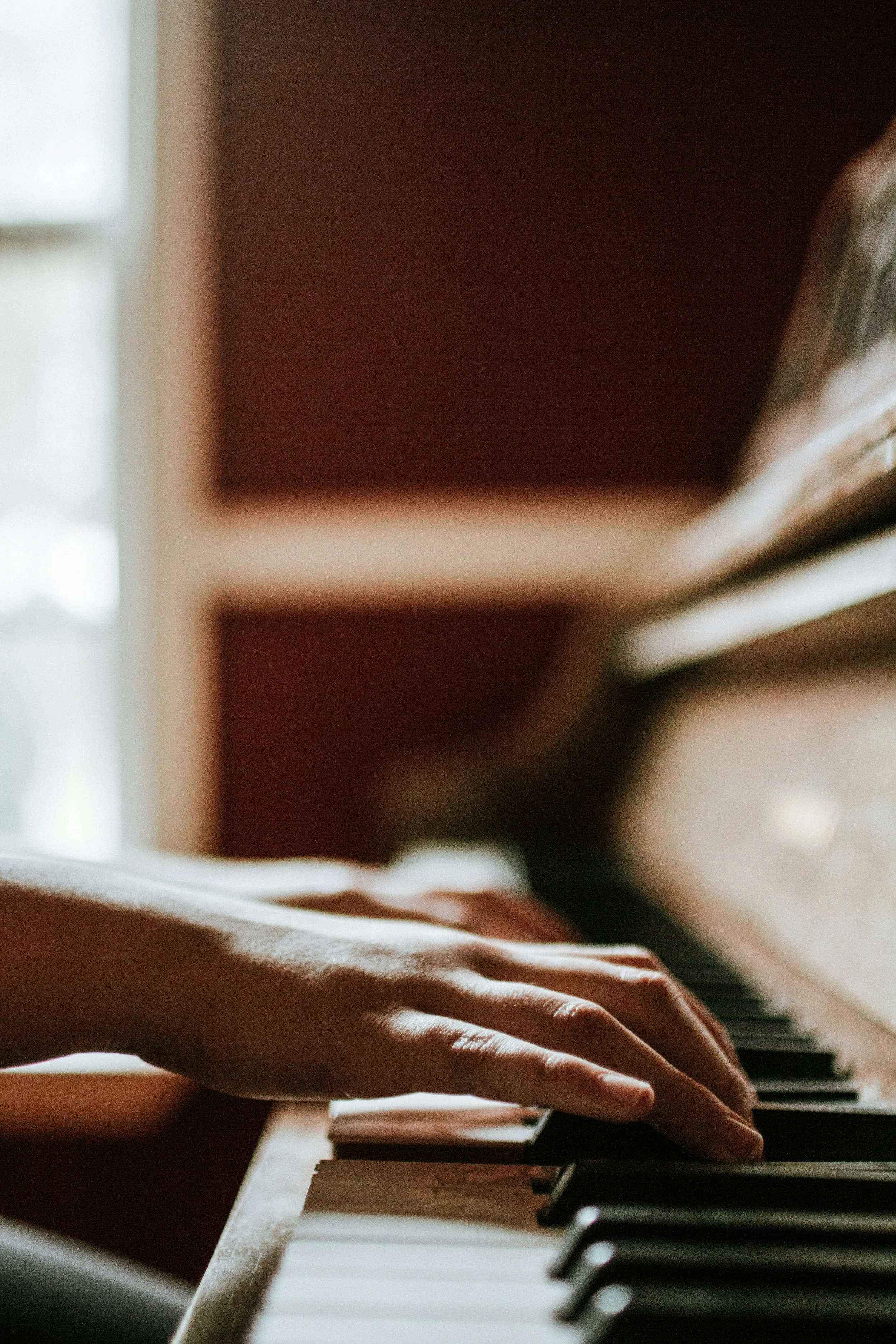
Marian Lamoureux Hinsdale
A family who calls about piano lessons usually has a follow-up question within two weeks. What kind of piano should they buy.
Marian Lamoureux of Hinsdale has watched families make this purchase well and watched them make it badly. The difference is rarely about budget.
It is about understanding what the instrument actually has to do. A first piano needs to teach a student to play. That sounds obvious. It rules out a surprising amount of what is for sale.
Why a sixty-one key keyboard is not enough
A keyboard with sixty-one keys can be enough for the first three months of lessons and almost nothing after that. Real piano repertoire uses the full eighty-eight keys.
A sixty-one key instrument forces the student into a small range of music and quietly limits what their teacher can assign. Pieces have to be cut, transposed, or skipped because the keyboard cannot reach the notes.
Lamoureux sees families lose six months because the keyboard they bought could not handle the next book. Buying the cheap option twice often costs more than buying the right option once.
The smaller keyboard also teaches a habit of avoidance. The student stops thinking about the upper and lower extremes because their instrument does not have them. That habit transfers to the studio piano in a bad way.
Weighted keys are not optional
An unweighted keyboard, where the keys feel like plastic and offer no resistance, builds the wrong kind of hand. The student learns to play with weak fingers and no real touch control.
When they sit down at an acoustic piano, the instrument feels foreign. Their dynamics flatten. Their technique falls apart.
Marian considers fully weighted, hammer-action keys a baseline requirement. Most decent digital pianos have them. Most cheap keyboards do not.
Reading the spec sheet matters here. The phrase weighted keys can mean very different things at different price points.
Acoustic versus digital, briefly
An upright acoustic piano in good condition is a wonderful first instrument. It has the touch, the resonance, and the long life that builds real pianists.
It also needs tuning twice a year and tends to take up space. Some apartments cannot accommodate one. Some neighbors cannot tolerate one.
A high-quality digital piano can be a strong choice for families with apartment constraints, neighbors, or budgets that do not stretch to a maintained acoustic. Lamoureux has had students do well on both.
The trap is buying a digital piano in the wrong tier and assuming all digital pianos are the same. They are not. The bottom of the digital market and the top of it produce very different students.
What to do about a free hand-me-down
A free piano from an aunt's basement is sometimes a great gift and sometimes a problem. An old upright that has not been tuned in twenty years can be unplayable.
Bringing it back to playable can cost more than buying a decent digital piano outright. The pin block alone can run into real money.
Marian recommends having a piano technician evaluate any free or cheap acoustic before moving it. The technician can look at the soundboard, the action, and the pin block.
If those are gone, the piano is furniture. The lesson is to know that before paying movers.
The right first piano is not the most expensive one a family can afford. It is the one that lets the student practice the same things they are working on in lessons, with a touch that is close enough to the studio piano that nothing has to be relearned.
Most families can find that piano without overspending. They just have to know what to look at.